Just In



Popular Now



Enter your email address below and subscribe to our newsletter

Life is better with pets.
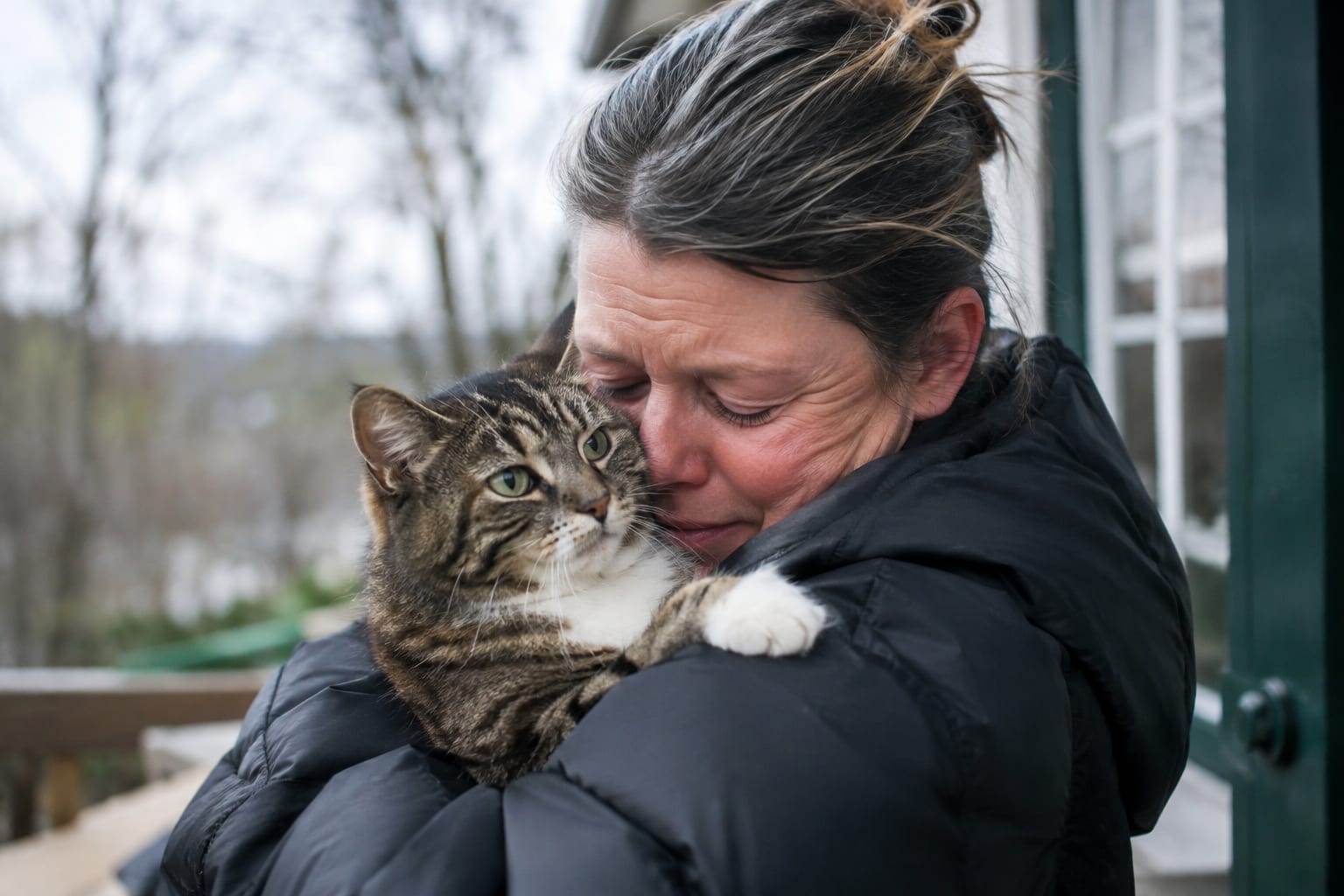
A Maine woman just got her cat back after five long years apart. The cat went missing when she was a kid, and now, as an adult, she has her "childhood best friend" back home.
A cat went missing in Maine more than five years ago. That is a long time for any pet to be gone. Most owners give up hope after a few months, let alone years.
But this cat found its way back. The woman says the cat was her "childhood best friend." That tells you this bond started young, and it never really went away, even after all that time apart.
"My childhood best friend."
That one line says a lot. It means this cat was not just a pet. It was part of growing up.
Cats are tough. Many indoor cats can survive outside for years if they find food, water, and shelter. Some live near homes, restaurants, or barns. Others get taken in by strangers who do not know the cat already has a family.
This is common. Animal shelters see stories like this more than people think. A cat shows up, someone feeds it, and years pass before anyone realizes it belongs to somebody else.
Long-lost pet reunions like this one often happen because of one small tool: the microchip. It is a tiny chip, about the size of a grain of rice, placed under a pet's skin. It does not track location. It just stores an ID number linked to the owner's contact info.
When a vet or shelter scans a found animal, that chip can pull up the owner's name and phone number. Without it, a found pet is basically a stranger with no name tag.
A microchip is often the only thing standing between "lost forever" and "found after 5 years."
Here is why that matters for you. If your pet is not chipped yet, this story is a good nudge to get it done. It is a quick vet visit, and it can be the difference between never knowing what happened to your pet and getting a call one day out of nowhere.
Sometimes a lost pet is picked up early on but never scanned. Sometimes the chip info is outdated, like an old phone number or address. Years go by before someone finally checks.
Other times, a cat simply avoids people for a long stretch, then finally trusts someone enough to be caught or brought to a shelter. Either way, the timeline can stretch out for years without anyone doing anything wrong. It is just how it goes with animals living on their own.
Table below shows common reasons pet reunions get delayed:
| Reason | What It Means |
|---|---|
| No microchip | No way to trace the pet back to an owner |
| Outdated chip info | Owner moved or changed number, so contact fails |
| Cat avoids capture | Cat lives wild or semi-wild for years before being caught |
| Never scanned | Shelter or finder never checked for a chip |
There is no word yet on exactly where the cat was found or who found it. But the outcome is the same: a family got their pet back after years of not knowing what happened.
This story is a reminder to check your pet's microchip info today, especially if you have moved or changed your phone number. It only takes a few minutes, and it could be the reason your own pet comes home one day, even years from now.
Source: 9News
More from us: FurKidsNews.com