


Newsletter Subscribe
Enter your email address below and subscribe to our newsletter


Life is better with pets.
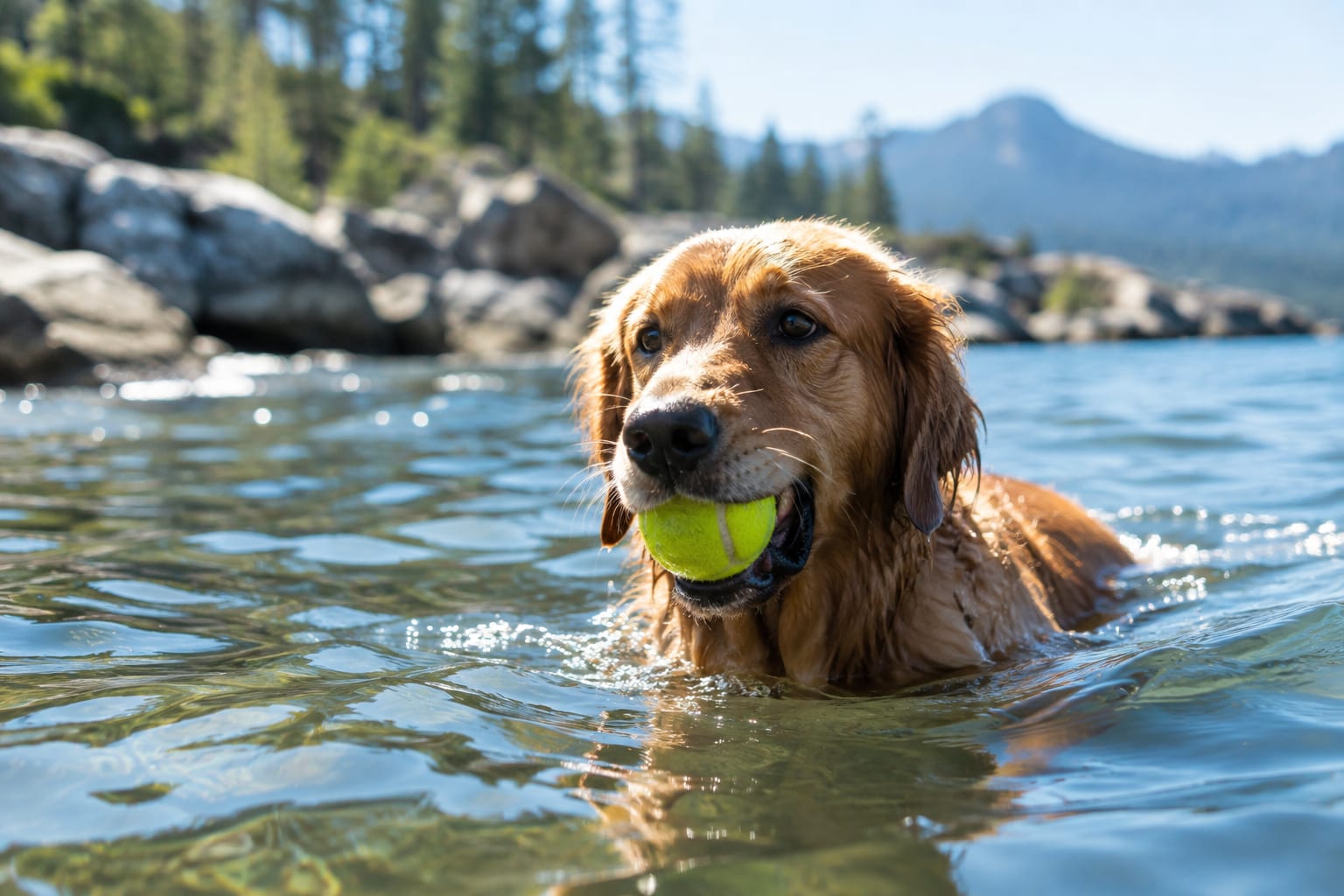
As British Columbians head outdoors for beach days, hikes, backyard gardening and picnics, the BC SPCA is urging pet owners to be aware of a range of seasonal hazards that could put dogs and cats at serious risk.
The animal welfare organization says that while summer offers plenty of opportunities for pets to enjoy the outdoors alongside their families, it also increases the chances of accidental exposure to toxic substances, from sunscreen to garden chemicals to festive fireworks.
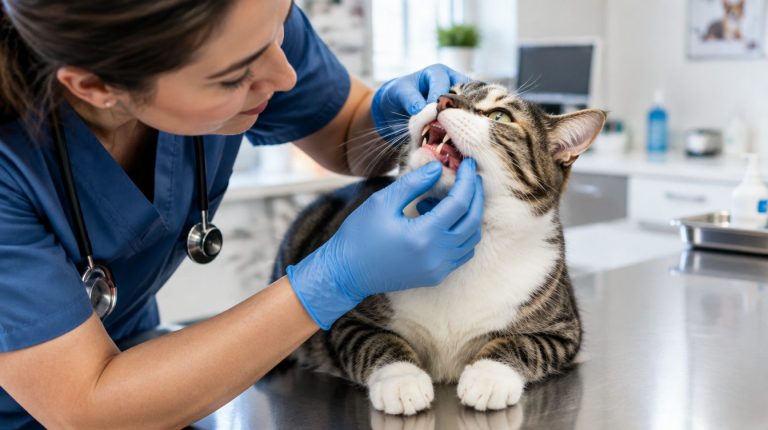
One area of concern is sun protection. The BC SPCA advises pet owners to consult their veterinarian before applying sunscreen to animals, noting that even products marketed specifically for pets can contain ingredients that are harmful if licked or ingested.
Gardens, too, can pose a threat. Many common plants can be toxic to dogs and cats, so the SPCA recommends choosing pet-safe plants and supervising animals whenever they're spending time outside. Fertilizers, herbicides, insecticides and pesticides used on lawns and gardens can also be dangerous to pets and wildlife that wander into the yard, and owners are encouraged to seek out pet- and eco-friendly alternatives. If a pet is suspected of ingesting something toxic from the garden, the SPCA says veterinary care should be sought immediately.
Hiking, a favourite summer pastime for many B.C. families, comes with its own set of risks for dogs. The SPCA warns against letting dogs drink from stagnant puddles or pools, which can harbour harmful bacteria and parasites. Ocean water is another hazard — even a small amount of saltwater can cause diarrhea in dogs, while larger quantities can be life-threatening. To avoid these risks, the organization recommends always bringing enough clean drinking water for both pets and their humans on outdoor excursions. If a dog shows signs of illness after drinking from an unfamiliar water source, owners should contact a vet right away.
Flea and tick prevention is another seasonal concern, as these parasites become more active in warmer months. The SPCA stresses the importance of discussing the right prevention products with a veterinarian, since needs vary depending on the individual pet and household — particularly in homes with multiple pets or different species. Using the wrong product, or exposing an animal to a treatment meant for another species, can cause serious harm, and veterinary attention should be sought immediately if this happens.
Backyard picnics and cookouts also present dangers, according to the SPCA, which lists several foods that should never be shared with pets. Cooked bones from ribs or pork chops can splinter when chewed and cause internal injury if swallowed. Corn cobs pose a choking and blockage risk that can require emergency surgery to resolve. Grapes contain a toxin that can lead to kidney failure in dogs, while alcohol can cause intoxication, loss of coordination, and in severe cases, coma or death.
Fireworks round out the list of summer hazards. Beyond the risk of burns, the loud noises associated with fireworks displays can trigger fear and anxiety in many dogs. If ingested, fireworks materials can also be toxic, potentially causing gastrointestinal distress or more severe symptoms. The SPCA recommends keeping pets far from any firework events and preparing ahead of time by closing all windows and doors if a display is expected nearby. Creating a quiet, comfortable space away from the noise can help ease a pet's anxiety, and owners are encouraged to talk to their veterinarian about additional strategies for keeping pets calm during fireworks season.
By staying alert to these common summer hazards, the BC SPCA says pet owners can help ensure the season remains a safe and enjoyable one for their animal companions.
Source: BC SPCA